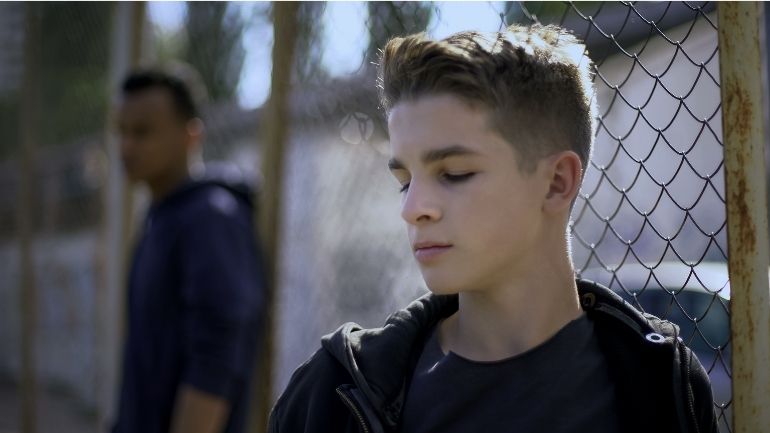
When a child is accused of a crime or taken into custody, a parent’s first instinct is to protect them. It’s an understandable and natural instinct, but not all parents understand what steps they should take to truly protect them. Too often, after the dust has settled on the shock and worry, they may reassure themselves that things will be okay, and assume that the juvenile justice system will go easy — that because your child is young, the consequences will be limited, the record will disappear when they turn eighteen, and life will go on as normal.
In Idaho, that assumption can be dangerously wrong. While Idaho’s juvenile justice system is designed with rehabilitation in mind, it nevertheless carries real legal consequences, and the decisions made early in a juvenile case can follow a child well into adulthood in ways most families do not anticipate.
At Sullivan Law Office in Coeur d'Alene, Idaho, we advise and represent clients accused of crimes, including juveniles and their families. Knowing how much a criminal charge of delinquency can affect the long-term welfare and opportunities of young people, we always urge our juvenile clients and their parents to take the charges seriously. Our goal is to build a strong defense and seek the best possible outcome, and we treat juvenile cases with the same gravity as adult cases, knowing that a finding of delinquency can impact a child's future in lasting and serious ways.
How the Idaho Juvenile Justice System Works
Juvenile cases in Idaho are primarily governed by the statutes of the Idaho Juvenile Corrections Act. The Act establishes a separate system for handling criminal matters involving minors (defined under Idaho law as individuals under the age of eighteen, although, as discussed below, some minors may be tried as adults depending on the crime and the circumstances), with an emphasis on rehabilitation, accountability, and community protection rather than purely punitive outcomes.
When a juvenile is taken into custody in Idaho, the case is typically referred to the juvenile probation department, which conducts an intake assessment and makes a recommendation about how the case should proceed. From there, the matter may be handled informally through a diversion program, or it may be formally filed in juvenile court as a petition alleging that the minor is a juvenile delinquent.
The process looks different from adult criminal court in important ways. Juvenile proceedings are generally not open to the public. A juvenile does not face a trial in the traditional sense; cases are instead heard by a magistrate judge. The language used is also different: rather than being charged with a crime and convicted, a juvenile is alleged to be delinquent and, if the petition is sustained, adjudicated delinquent. But make no mistake; an adjudication of delinquency is a legal finding with real consequences, and the process that leads to it involves the same constitutional protections and the same need for skilled legal representation as any adult criminal matter.
What Happens at the Intake Stage
For a minor and their parents, the intake stage is one of the most important and most underappreciated moments in a juvenile case. When a juvenile is referred to the probation department following an arrest or a law enforcement referral, a probation officer conducts an assessment of the minor, the alleged offense, and the family circumstances. Based on that assessment, the officer makes a recommendation which can range from an informal adjustment with no formal court involvement, to a diversion agreement, to a formal petition filed with the juvenile court. The decision made at that stage by the probation officer is critical.
Families who arrive at the intake stage without retaining legal representation fail to realize that what happens here sets the trajectory of the entire case. Statements made by the juvenile or the parents during intake interviews can affect the probation officer's assessment. The minor's attitude, the family's engagement, and the quality of information presented all influence the recommendation that goes forward. An attorney who is involved at this stage can help ensure that the family presents their strongest case for the least restrictive outcome, and can protect the juvenile from making statements that complicate the case later.
Diversion: A Critical Opportunity That Can Be Missed
As noted above, Idaho's juvenile justice system includes a diversion process, which allows eligible juveniles to resolve their cases outside of formal court proceedings. A diversion agreement typically involves the juvenile acknowledging responsibility, completing community service, paying restitution (if applicable), attending counseling or educational programs, and staying out of further trouble for a specified period. If the juvenile successfully completes the diversion program, the case is closed without a formal adjudication of delinquency.
Diversion is one of the most positive outcomes available in a juvenile case (barring dismissal of any charges). It keeps a formal delinquency adjudication off the record and avoids the stigma and consequences of a juvenile court finding, giving the young person a genuine second chance to avoid serious adverse consequences.
But diversion is not automatic. It depends on the nature of the offense, the juvenile's prior history, and the recommendation of the probation officer and the prosecutor. A family that does not understand how to advocate effectively for diversion or whose child has made damaging statements or exhibited other negative conduct during intake may find that the opportunity has passed before they realized it was even available.
What an Adjudication of Delinquency Actually Means
If a minor is not put into a diversion program, the case proceeds to a formal juvenile court petition and the petition is sustained, the juvenile is adjudicated delinquent. Depending on the nature of the offense and the court's assessment of the juvenile's needs and risks, the dispositional options available to the court include probation, community service, restitution, placement in a residential treatment program, or commitment to the Idaho Department of Juvenile Corrections.
A commitment to the Idaho Department of Juvenile Corrections is a serious outcome. It can mean placement in a secure juvenile facility for a period determined by the department, with the length tied to the juvenile's progress rather than a fixed sentence. For families who assumed that juvenile court meant a slap on the wrist, this outcome comes as a profound shock. While not exactly the same as being sentenced to serve time in an adult jail or prison, it is the least desirable outcome — and one that skilled legal representation can sometimes help avoid.
The Juvenile Record Question: What Actually Happens?
One of the most persistent misconceptions about the juvenile justice system is that juvenile records automatically disappear when a child turns eighteen. In Idaho, that is not how it works, and the gap between what parents believe and what the law actually provides can have serious consequences for a young person's future.
Idaho law spells out the conditions under which juvenile records can be sealed or expunged. These outcomes are different. A sealed record is one that cannot be accessed by the public, but may be still available to specific government bodies. Expungement is when a file is removed as if it never happened (although, under Idaho law, expungement does not completely delete the record; instead it can be accessed under restrictive circumstances). There are very specific limitations on what records can be expunged and which are sealed from public view. For some crimes, including violent crimes such as murder, rape, arson, and other felonies, neither expungement nor sealing are available. Those records are permanent, and can be accessed.
Even a sealed juvenile record is not truly erased in every context. Sealed records can be accessed in subsequent criminal proceedings, and certain state and federal agencies, which may include law enforcement bodies and professional licensing boards, retain the ability to view sealed juvenile records for specific purposes. The protection that sealing provides is real and meaningful, but it is not the clean slate that most families assume it to be.
Most importantly, neither sealing nor expungement is automatic. There is a waiting period that may go beyond an individual’s eighteenth birthday, and the individual must petition the court to have records sealed or expunged. In other words, it requires the individual to petition the court and obtain a court order of sealing or expungement, and, as noted above, not all juvenile records are eligible.
When a Juvenile Can Be Charged as an Adult
Perhaps the most serious risk in any juvenile case involving a significant offense is the possibility of being charged as an adult. Under Idaho law, a juvenile court may waive jurisdiction over a minor and transfer the case to adult criminal court. In making this decision, the court considers several factors, including the nature and seriousness of the alleged offense, the minor's prior history, the availability of appropriate juvenile justice resources, and the likelihood that the juvenile can be rehabilitated within the juvenile system.
For certain serious offenses, Idaho law allows or in some cases requires that a juvenile be charged directly in adult court. A juvenile convicted as an adult faces adult sentencing, an adult criminal record, and none of the rehabilitative framework or record-sealing protections of the juvenile system. The consequences — including potential prison time, a permanent felony record, and all of the collateral consequences that follow a felony conviction — are indistinguishable from those faced by an adult defendant.
The waiver hearing, where the decision about whether to try a juvenile as an adult is made, is one of the most consequential proceedings in the entire juvenile justice process. It requires aggressive, experienced legal advocacy on behalf of the minor.
How a Juvenile Record Affects Life After the Case
Even short of an adult conviction, a juvenile delinquency adjudication can affect a young person's life in ways that extend well beyond the immediate disposition of their case.
- College applications and financial aid may be affected by juvenile records. Many colleges ask applicants to disclose involvement in the juvenile justice system, and a delinquency adjudication for a serious offense can affect admissions decisions and eligibility for certain types of financial aid.
- Military enlistment requires disclosure of juvenile adjudications, and certain offenses can disqualify an applicant entirely or require a waiver that may or may not be granted.
- Professional licensing applications in Idaho, such as those required for jobs in nursing, education, law enforcement, real estate, and many other fields, require disclosure of juvenile records that have not been sealed, and licensing boards have discretion to deny applications based on juvenile history.
- Employment background checks vary in what they reveal and what employers can consider, but in many cases juvenile records that have not been sealed can appear and affect hiring decisions, particularly for positions involving trust, financial responsibility, or work with vulnerable populations.
What Parents of Arrested Juveniles Should Do
If your child has been taken into custody or referred to juvenile probation in North Idaho, the time to act is immediately — not after the intake interview, not after the first court date, and not after a disposition has been entered. Every stage of a juvenile case presents opportunities that disappear if not seized at the right moment, and every stage carries risks that experienced legal representation can help manage.
An attorney who understands Idaho's juvenile justice system can appear with your child at intake, advocate for diversion, challenge the sufficiency or validity of the evidence, negotiate with the prosecutor and probation department, present mitigating information to the court, fight a waiver to adult court, and ensure that your child's constitutional rights are protected throughout the process.
Sullivan Law Office represents juveniles and their families facing criminal matters throughout North Idaho. If your minor child is facing charges, contact us today. The decisions you make right now will shape your child’s future, so it is imperative that you ensure they are the right ones.
This is for general informational purposes only and should not be understood as legal advice for any particular individual or case.